Transform Your Kitchen with Bespoke Worktops from South Yorkshire Marble

Bespoke kitchen worktops are stone surfaces measured, manufactured and installed to suit your kitchen’s layout, chosen material and design. They can be made for anything from a straightforward run of units to an island with cut-outs, joins and carefully planned edge details.
For homeowners renovating a kitchen, the right worktop needs to look at home in the room and work around the way you cook, clean and use the space. Material, layout and accurate templating all matter.
Three things to know before you go further:
- Choose for daily use as well as appearance: Marble, granite and quartz have different characteristics, so consider cleaning habits, cooking routines and the look you want.
- Plan around the finished kitchen layout: Sink and hob positions, wall lines, unit level and access can affect how the stone is templated and installed.
- Confirm details before manufacture: Check the material, thickness, edge profile, cut-outs and joins so the finished surface matches the agreed design.
Key takeaways
A well-planned stone worktop brings together the right material, accurate measurements and installation details suited to your kitchen.
What a bespoke worktop involves
A bespoke worktop is not simply a standard slab cut to length. It is a made-to-measure stone surface planned around the actual kitchen, including its walls, cabinets, appliances, openings and design details. That makes the survey and specification as important as the stone selection.
Why kitchen worktops are harder to get right than they look
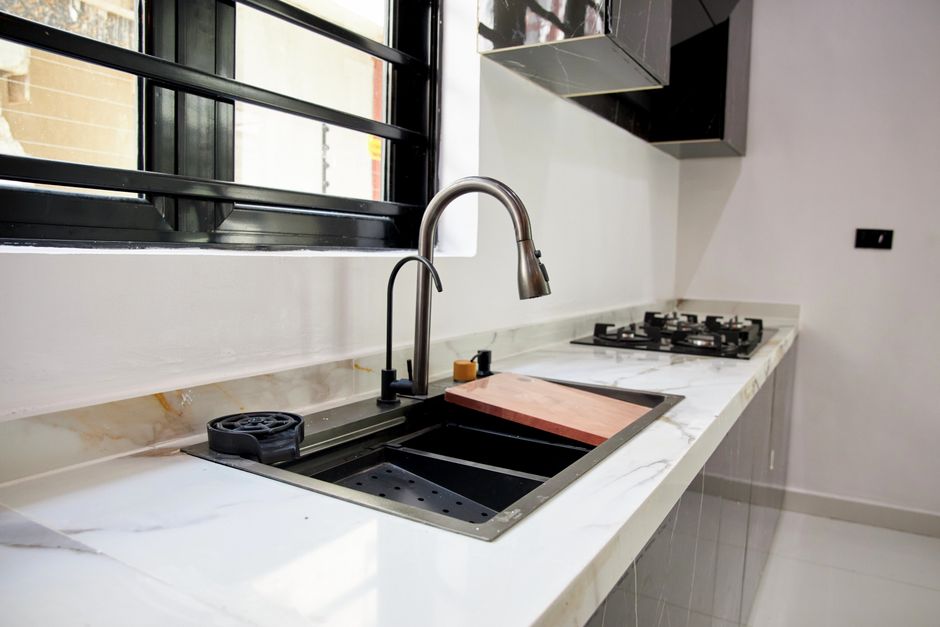
The kitchen is rarely a perfect rectangle
Even in a newly fitted kitchen, walls can run out of square, corners may not be exactly 90 degrees, and cabinets can vary slightly in level. Stone is rigid, so these details need to be measured and considered before manufacture. A small mismatch at a wall or corner can affect how a worktop sits, how a joint looks and whether the installation can be completed as planned.
The layout adds further decisions. A long run may need a joint, while an island can call for a particular overhang or a visually balanced slab layout. Sink and hob openings must be positioned in relation to the cabinets and appliances, not estimated from a drawing that may have changed during the renovation.
Our bespoke kitchen worktops are considered in the context of the kitchen they are being made for. That includes the practical worktop plan as well as the overall appearance of the room.
The stone affects both look and upkeep
Marble, granite and quartz are not interchangeable finishes. Veining, colour movement and pattern can vary across a slab, so a small sample may not show how the whole surface will look. The material also influences the care routine and the suitability of a particular finish for the way a household uses its kitchen.
Quartz is an engineered surface rather than a solid block of natural quartz. According to Quartz Worktops: Pricing, Templating, and What Goes Wrong, quartz worktops are made from approximately 93% crushed natural quartz aggregate bound with around 7% polymer resin. That composition is one reason to discuss the particular product and its care guidance rather than assume every stone surface behaves the same way.
Aesthetics need practical checks, too. A pale surface may show spills or marks more readily than a pattern with movement. A highly veined design may need careful slab selection and seam placement so the visual flow is considered across a join.
Poor planning creates avoidable disruption
If the worktop is templated before the cabinets are secure and level, or before sink and hob positions are final, changes can affect the finished piece. Delays may follow if a template has to be repeated or a design detail needs revisiting. For a developer or contractor, that can also disrupt coordination with other trades.
The wider kitchen market is competitive, but choice alone does not resolve the technical details. According to Howdens: Operational Review, the UK kitchen and joinery markets are large and fragmented with a significant opportunity for Howdens to continue to grow its market share. For someone commissioning stone, the useful response is to compare the worktop specification and process, not just the headline appearance or price.
How to plan bespoke kitchen worktops, step by step

From design decisions to installation
- Map the kitchen use: Note where food preparation, cooking and washing happen, and consider how much clear worktop space each activity needs. This helps inform the layout and the positions of sink and hob cut-outs.
- Compare suitable materials: Look at marble worktops, granite worktops and quartz worktops with your preferred colour and maintenance expectations in mind. Ask how the specific surface should be cleaned and what to avoid.
- Consider the full slab appearance: Where possible, view a larger piece or slab rather than relying only on a small sample. Check the pattern, colour variation and likely direction of veining, especially if the design includes an island or visible joins.
- Settle the cabinetry and appliance plan: Make sure the cabinets are fitted and secure, and that the sink, tap, hob and appliances have been chosen and positioned. Confirm any overhangs or seating details before the template is made.
- Arrange accurate templating: A templater records the worktop dimensions and relevant details on site. This is the point to confirm wall edges, corners, cut-outs, joints and any special edge profile, rather than assuming they can be resolved during installation.
- Review the specification before manufacture: Check the material, thickness, finish, edge detail, cut-out locations and any agreed joint positions. Standard quartz thicknesses are 20mm and 30mm, according to A Guide to Customising Quartz Worktops. The right choice for a particular kitchen depends on the product and design.
- Prepare for fitting: Clear access to the kitchen and ensure the route from the vehicle to the room is known. Stone is heavy and must be handled carefully, so access constraints, stairs and tight turns are worth raising before installation day.
Pro Tip: Before templating, mark the intended sink and hob positions on the cabinet plan and check them against the actual appliances. This simple comparison can catch a misplaced cut-out before the stone is manufactured.
Our materials guide is a useful starting point for comparing stone options. The final recommendation should still take account of the particular kitchen, chosen product and the way the surface will be used.
Ready to plan a made-to-measure surface? Talk to South Yorkshire Marble about your kitchen.
Common mistakes when choosing a stone worktop
Details that are easy to overlook
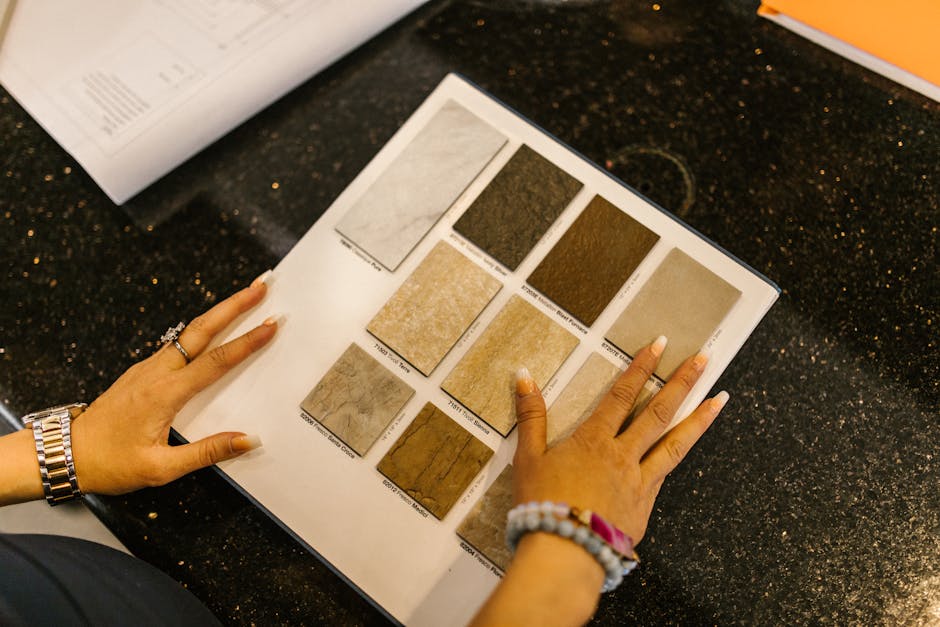
- Choosing from a small sample alone: Samples help with colour, but they cannot fully show the pattern and movement across a larger slab. Ask how the stone’s appearance will be considered across long runs, islands and visible joins.
- Templating before the kitchen is ready: If units are still moving, out of level or not fully fixed, the measurements may not represent the final installation. Agree when the cabinets and appliances will be ready, then arrange templating at the right stage.
- Treating all stone as equally low maintenance: Marble, granite and quartz have different material properties and care needs. Ask for guidance specific to the selected surface, including which cleaning products are appropriate and what everyday precautions make sense.
- Leaving cut-outs until late: Sink and hob openings need to be planned with the appliance dimensions and cabinet layout in mind. Changing positions after templating may affect the specification and timing, so settle those choices early.
- Ignoring joins and pattern direction: A seam may be unavoidable depending on the layout and slab dimensions. Discuss where it will sit and how the pattern will meet, rather than expecting a long surface to be joint-free without checking feasibility.
- Comparing quotes without comparing scope: Check whether each proposal covers the same material, thickness, edge, cut-outs, templating and installation. A low initial figure is not a fair comparison if important details are missing or differ.
For quartz, health and safety considerations around fabrication also deserve attention. According to Herringbone: First UK Kitchen Company to Ban High-Silica Quartz, Herringbone is the first kitchen company in the UK to ban high-silica quartz worktops. This does not mean every quartz product is the same; discuss the specific material and ask the supplier about its fabrication and handling arrangements.
Pro Tip: Ask for the worktop details to be written down before manufacture, including the edge profile and cut-out positions. A clear specification gives everyone a shared reference if the kitchen plan changes.
When stone may not suit the brief
Stone is not automatically the right choice for every project. If the priority is the lowest upfront cost, a very quick installation or a surface that needs no consideration around cleaning and care, another worktop material may better suit the brief. Likewise, a design with very large unsupported overhangs or difficult access needs a feasibility discussion before committing to a stone specification.
Frequently asked questions about bespoke stone worktops
What is the difference between bespoke and standard kitchen worktops?
Bespoke worktops are planned and manufactured for the dimensions and details of a particular kitchen. The process can account for wall lines, corners, sink and hob openings, edge profiles and the layout of joints. A standard worktop is supplied in set formats and may need more adaptation to fit a specific room.
Bespoke does not mean every design is automatically possible, so dimensions, material and access should be checked before manufacture.
Is marble, granite or quartz best for a kitchen?
There is no single best option for every household. The right choice depends on the look you want, how the kitchen is used, your preferred cleaning routine and the specific stone or quartz product. Compare colour and pattern at a useful scale, then ask about care instructions and any limitations.
South Yorkshire Marble works with marble, granite and quartz, and a design consultation can help relate those choices to your project.
When should stone worktops be measured during a renovation?
Templating is generally planned once the cabinets are fitted, secure and ready to receive the worktop, with key appliance and sink choices confirmed. The exact timing depends on the project and the state of the kitchen. Measuring too early can mean the template misses later changes to unit positions or cut-outs.
Coordinate the worktop stage with your kitchen fitter and stone supplier so that the final layout is ready to record accurately.
Can a bespoke stone worktop include an island and sink cut-outs?
A bespoke worktop can be planned around islands and openings, subject to the selected material, dimensions, support and design. The sink, tap and hob positions need to be confirmed and checked against the actual units and appliances. Larger layouts may also require joints, and the location of those joins should be discussed as part of the design.
A site template and a clear specification help establish what can be manufactured for the particular kitchen.
How should I compare quotes for stone worktops?
Compare like with like: material and finish, thickness, edge profile, cut-outs, templating, manufacture and installation should be clear. Check whether the quote reflects the same layout and appliance details, and ask how any joints are being considered. It is also sensible to ask what access the installation team will need and what care guidance applies to the chosen surface.
The lowest figure may not cover the same specification as another proposal.
How Southyorkshiremarble helps with bespoke kitchen worktops
At South Yorkshire Marble, we bring over 30 years of experience in the stone worktop industry to projects for homes and commercial spaces. Our service covers the worktop journey from design consultation through measuring and manufacturing to professional installation, with attention to the details that make a made-to-measure surface fit its intended setting.
Depending on your project, we can help with:
- Design consultation: Discussing material, layout and finish choices for the kitchen.
- Manufacturing of stone surfaces: Producing stone worktops to the agreed design and measurements.
- Installation services: Fitting the worktop as part of the planned project.
You can view examples in our worktop portfolio and read about our worktop pricing before discussing your requirements. Arrange a conversation about your bespoke worktop.
Conclusion: take the next step with bespoke kitchen worktops
The most useful first step is to settle the kitchen layout and worktop priorities before choosing a stone. Think about how you use the space, which material and appearance suit your household, and where sinks, hobs, joins and edges need to sit. Then make sure the cabinets and appliance positions are ready to be measured accurately.
Bespoke kitchen worktops combine a carefully chosen surface with a specification made for the actual room. Clear decisions before templating can help avoid changes later and give your supplier the information needed to manufacture and install the stone as intended. If you are planning a kitchen renovation in South Yorkshire, speak with South Yorkshire Marble about your layout and material options.